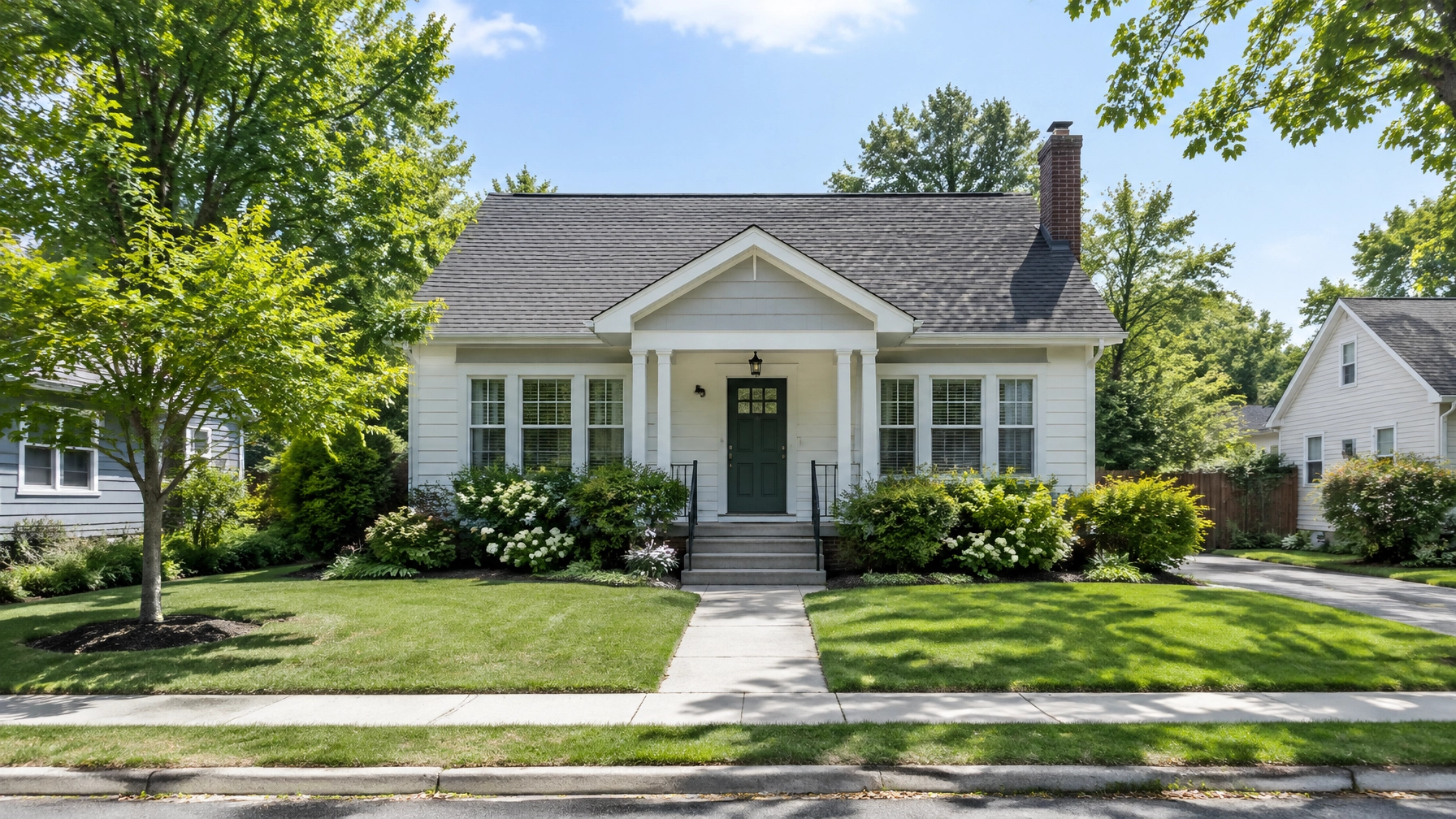

If you’re considering a rental purchase with a DSCR loan, start with the property’s numbers, not the seller’s best-case pitch. I’m Billy from Philly, and I want you to go into an offer with a realistic view of the rent, expenses, cash needed, and lender questions. With the right preparation, you can make a more informed decision and avoid being surprised later.
1. Check the rent for this specific property
A rent estimate is only useful if it reflects the unit you’re actually buying. The rent a seller hopes to achieve, or an online estimate, may not match what a tenant will pay for this property, in this condition, in this location.
Before you make an offer, compare the property with rentals that are genuinely similar in:
- Neighborhood and access to local amenities
- Number of bedrooms and bathrooms, layout, and usable space
- Condition, finishes, parking, and included appliances
- Lease terms and which utilities the tenant pays
- Whether the comparison is an advertised listing or a completed rental
When possible, look for recent, completed leases, not just asking rents, and ask a local property manager or leasing professional what they would expect the unit to rent for. If the property is occupied, review the current lease, payment history, concessions, and any terms that would carry over after closing. For a vacant property, budget for the possibility that it takes time to find a tenant.
I suggest underwriting to a rent you can support with evidence, rather than the highest figure you can find. That gives you a more dependable basis for evaluating both the financing and your investment plan.
Your next step: Build a short rent-comparison sheet with several comparable properties, the source of each rent figure, and a conservative estimate for the subject property.

2. Map the full expense picture
Rent is only one side of the deal. Before you decide what the property can afford, list the costs you’ll carry as the owner. Some will be known before closing; others require estimates, quotes, or further investigation.
Review:
- Property taxes: Confirm the current tax information and ask how to verify the amount you should use in your analysis after the purchase.
- Insurance: Request a quote for the property as a rental. Coverage and cost can depend on the home and its location.
- Association dues: Check the current amount, possible assessments, rental restrictions, and any rules that could affect your intended use.
- Management and leasing: Estimate management fees, tenant placement costs, and the time you may spend managing the property yourself.
- Maintenance and repairs: Inspect the roof, plumbing, electrical, heating and cooling systems, and other major components. Note both immediate repairs and future replacements.
- Vacancy and turnover: Allow for time between tenants, cleaning, repairs, and other costs when a unit is not producing rent.
- Other owner expenses: Consider utilities you’ll pay, landscaping, pest control, and other services that apply to the property.
Here’s a distinction I always want investors to understand: a lender’s DSCR analysis and your personal investment cash-flow analysis are related, but they may not treat every expense the same way. Include the full operating picture in your own analysis even if the lender’s calculation uses a different formula.
Your next step: Put each expense in a simple monthly budget, mark which figures are confirmed versus estimated, and update the estimates as you receive quotes and property information.

3. Understand how the DSCR analysis applies to a purchase
A debt service coverage ratio, or DSCR, compares income associated with a property to its debt obligation. On a purchase, the lender reviews rental income and the proposed loan payment under the guidelines for the specific program. The precise rent basis, payment components, and calculation can vary by program.
So don’t assume that the lender will use the rent figure in the listing, or calculate the ratio exactly as you do. Ask what documentation the lender will review and what components go into its calculation. You can then compare that result with your own cash-flow estimate, which should account for operating costs such as vacancy, maintenance, and management.
On qualifying DSCR programs, personal income verification may not be required. That does not mean every property qualifies automatically: the property and transaction still must meet the applicable program requirements.
If you’re purchasing a condo, a property with an association, or a building with more than one unit, ask about eligibility early. Multifamily eligibility is program-dependent, and property details can affect the review.
Your next step: Share the property address, expected rent, purchase price, and known expenses with your lender, then ask how the lender will evaluate the rent and calculate DSCR for that specific transaction.
4. Find out how much cash you’ll need
Your down payment is not the same as your total cash needed to close. Plan for the full amount you may need to bring to the transaction, and distinguish that from funds the lender may expect you to retain afterward.
A useful planning framework is:
Estimated cash to close = down payment + closing costs + prepaid items or escrows − applicable deposits or credits
Then ask whether the program requires additional funds to remain available after closing. Those funds may be treated as reserves, not as a closing expense, so don’t count the same dollars twice, or assume you can use all available cash for the down payment.
Request an estimate that accounts for the specific property and transaction. Costs can vary, and a preliminary estimate is not a final settlement figure. Update your plan when you receive lender and title estimates and learn about taxes, insurance, association charges, or other property-specific items.
Your next step: Ask the lender for an itemized estimate of cash to close and a separate explanation of any reserve expectations before you commit to an offer.

5. Confirm condition, insurability, and intended use
A property that looks sound during a showing can still raise questions during inspection, appraisal, insurance review, or lender underwriting. Before you commit, check whether the property’s condition and intended use fit your plan and the lender’s program.
As you do your due diligence:
- Arrange an inspection and pay attention to major systems and deferred maintenance.
- Contact an insurance provider for a property-specific quote; don’t assume a standard homeowner policy will fit a rental.
- Review association documents and confirm that leasing is allowed under the rules.
- Verify that the property’s current use, unit configuration, and any planned work are properly documented.
- Ask the lender what property, appraisal, insurance, and transaction reviews apply.
If you plan to make repairs or change how the property operates, tell the lender before you rely on that plan. A property’s potential after improvements may matter to your investment strategy, but it doesn’t automatically establish eligibility or qualifying rent.
Your next step: Make property condition, insurance, and use questions part of your offer due diligence, and ask the lender which items need to be resolved before you proceed.
6. Ask the lender before you make the offer
A clear conversation can help you spot gaps while you still have room to make a decision. Bring the property details and ask direct questions:
- What rental-income documentation will you consider for this purchase?
- How will you calculate DSCR, and which payment and property-cost items are included?
- What property types and uses are eligible under the program I’m considering?
- What closing costs, prepaid items, and reserves should I plan for?
- What condition, insurance, appraisal, or association issues could affect the review?
- Which terms are confirmed for this program, and which remain subject to underwriting?
Loan amounts vary by program and may start at $50,000. Don’t assume a particular amount, structure, or qualification applies until you’ve discussed your actual property and transaction with the lender.
Your next step: Get answers tied to your specific property and program, and keep the lender’s estimate and documentation checklist with your deal file.
Q&A: Buying a rental with a DSCR loan
Q: Does a DSCR loan mean my personal income is never reviewed?
A: Personal income verification is not required on qualifying DSCR programs, but the property and transaction still must meet the program requirements. Ask the lender what will be reviewed for your application.
Q: Can I use the rent in the seller’s listing for my analysis?
A: Use it as a starting point, not as proof. Compare it with similar rentals and ask the lender what rent documentation it will accept.
Q: Does the lender’s DSCR calculation include every expense I budget for?
A: Not necessarily. The calculation and the items included vary by program. Build your own full expense budget as well, and ask the lender to explain its calculation.
Q: Can I use a DSCR loan for any multifamily property?
A: No. Multifamily eligibility is program-dependent. Confirm the property’s unit count, use, and other details with the lender before you rely on a specific program.
Make the next move with a clear picture
Before you submit an offer, make sure you can explain your rent estimate, list the property’s expenses, understand your cash-to-close plan, and identify the questions still awaiting answers. That preparation won’t remove every uncertainty, but it can help you make a more deliberate decision and keep your investment goals in view.
To discuss a rental purchase, visit Emerald Capital Funding’s DSCR loan page or review our loan programs. Your next step is simple: call 610-510-6119 or visit emcap-funding.com and share the property details you’re evaluating. We’ll help you discuss the financing questions for your specific deal.