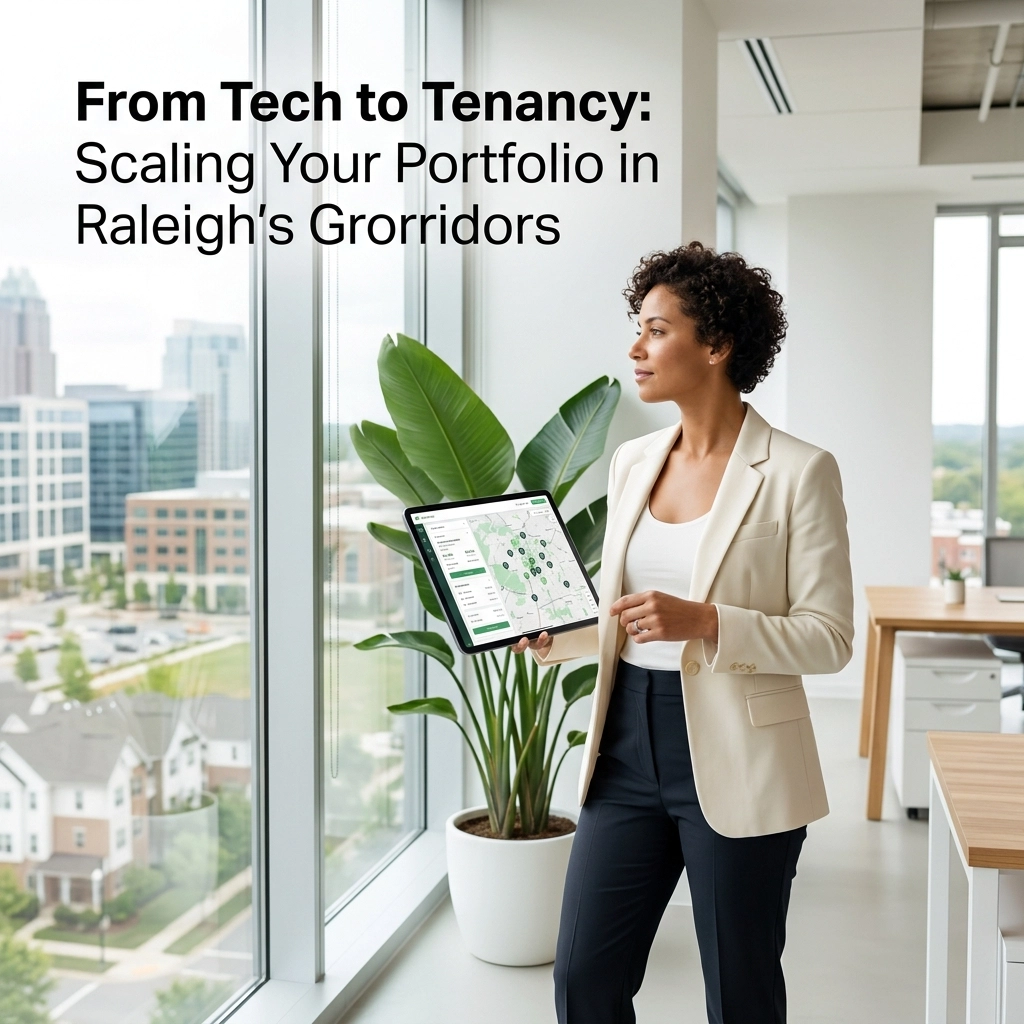

If you’re considering where to plant your next flag in the real estate world, welcome to the "Silicon Valley of the South." Here in 2026, the North Carolina growth story isn't just a headline: it’s a massive wave of opportunity. Between the sprawling tech campus of Research Triangle Park (RTP) in Raleigh and the financial powerhouse of Charlotte, the "Tar Heel State" has become a magnet for high-salary professionals and savvy investors alike.
At Emerald Capital Funding, we’ve seen the numbers, and they are eye-popping. With over $7 billion currently being poured into new developments across the region, the transition from "tech hub" to "tenancy goldmine" is happening faster than ever. Whether you are looking to renovate a mid-century gem in North Hills or build a rental empire in the emerging suburbs of Apex, we’ve got you covered.
In this guide, we’ll equip you with the insights you need to scale your portfolio in Raleigh’s hottest growth corridors and explain how the right financing can turn a "maybe" into a "closed deal."
Why the Tech Boom is Your Best Friend
Before we dive into the specific neighborhoods, it’s important to understand why this is happening. Real estate demand is a derivative of job growth, and Raleigh is currently a job-creating machine. Major corporate heavyweights aren't just moving here; they are anchoring here. We’re talking about Biogen’s $2 billion advanced therapy facility and Novo Nordisk’s massive $4.1 billion expansion.
When companies spend billions on infrastructure, they aren't just building factories; they are importing thousands of high-earning tenants. These employees need high-quality housing, and they typically prefer the flexibility of renting or the "turn-key" experience of a newly renovated home. This is where you come in. By leveraging fix-flip-loan-basics, you can capture the "in-migration" wave by providing exactly what these new residents are looking for.
Actionable Takeaway:
Follow the "Smart Money." Look for residential pockets within a 20-minute commute of major corporate announcements. The demand is often baked in years before the ribbon-cutting ceremony.

Mapping the "Growth Kings" of Raleigh
Raleigh isn't just one market; it’s a collection of high-growth corridors, each with its own vibe and investment potential. If you want to scale, you need to know where the path of progress is heading.
1. The Apex Evolution (The Long-Term Play)
Apex has recently emerged as the suburb with arguably the biggest long-term growth potential in the region. The catalyst? The $3 billion Veridea development. This isn't just a housing tract; it’s a "city within a city" featuring mixed-use retail, office space, and a massive children's hospital campus that is expected to generate 8,000 jobs.
- Strategy: Buy-and-hold. With thousands of healthcare workers and techies moving in, these properties are prime candidates for dscr-loans-explained.
2. North Hills and Midtown (The Appreciation Powerhouse)
If you’re looking for stability and premium rents, North Hills is the place to be. This area has seen year-over-year appreciation that often exceeds 12%. It’s the "Live, Work, Play" epicenter of Raleigh.
- Strategy: Luxury fix-and-flip or high-end rentals. The barrier to entry is higher, but the exit prices are spectacular.
3. East and Southeast Raleigh (The Value Play)
For investors who prioritize a lower entry point with high upside, East Raleigh is the current "it" spot. Thanks to expanding greenways, proximity to downtown, and major infrastructure upgrades, this area is undergoing a massive revitalization.
- Strategy: Fix-and-flip. There is still plenty of older inventory that needs a modern touch to meet the standards of the young professionals moving into the city center.
Actionable Takeaway:
Diversify your corridors. Don't put all your eggs in the high-priced Midtown basket. Balance your portfolio with a "Growth King" like Apex and a "Value Play" in Southeast Raleigh to maximize both cash flow and appreciation.
Charlotte: The Financial Sister City
While Raleigh grabs the tech headlines, we can't ignore Charlotte. It remains a top-tier market for multifamily stability and solid yields. As the second-largest banking hub in the U.S., Charlotte provides a different kind of stability. The "growth corridors" there: like the South End and NoDa: are perfect for investors who want to scale into multifamily units.
If you’re wondering where we lend, check out our where-we-lend page to see how we support investors across these high-growth North Carolina markets.
Financing Your Scale: Hard Money vs. DSCR
Scaling a portfolio isn't just about finding the right house; it’s about having the right fuel in the tank. At Emerald Capital Funding, we specialize in the two tools that every North Carolina investor needs:
Fix-and-Flip (Hard Money)
When you find a distressed property in a hot Raleigh neighborhood, speed is everything. Our fix-and-flip loans are designed for speed and flexibility. They allow you to purchase and renovate a property without the red tape of a traditional bank. This is how you win bidding wars and capture equity in a fast-moving market.
DSCR Loans (The Passive Income Engine)
Once you’ve renovated a property (or if you find a turnkey gem), you want to move it into a long-term financing structure. Debt Service Coverage Ratio (DSCR) loans are a game-changer because they qualify based on the property’s income, not your personal debt-to-income ratio. This allows you to scale to 5, 10, or 20 properties without your personal tax returns becoming a bottleneck.

Our team, including experts like Matthew Nicholson, is here to help you navigate these options.
Common Questions: Raleigh Real Estate Q&A
Q: Is the Raleigh market "overpriced" in 2026?
A: "Overpriced" is relative. While prices have risen, the underlying fundamentals: job growth, corporate investment, and low supply: remain incredibly strong. In Raleigh, you aren't just buying real estate; you’re buying a seat at the table of one of the fastest-growing economies in the country.
Q: Should I focus on Charlotte or Raleigh?
A: It depends on your goals! Raleigh is currently seeing more "explosive" tech-driven appreciation, while Charlotte offers a slightly more seasoned, stable financial-sector demand. Many of our most successful clients do both to hedge their bets.
Q: Can I use a DSCR loan for a property in Apex?
A: Absolutely. In fact, Apex is a perfect market for DSCR because the rental demand from the Veridea development ensures high occupancy and strong rental coverage. You can learn more about how these work on our services page.
Q: How fast can Emerald Capital Funding close a fix-and-flip loan?
A: We know that in a market like Raleigh, a delay of two days can mean a lost deal. We pride ourselves on a streamlined process that gets you from application to funding far faster than traditional lenders.

Putting It All Together: Your Scaling Roadmap
Success in the North Carolina market isn't about luck; it’s about a systematic approach. If you want to achieve your financial goals in 2026, here is the pathway:
- Identify Your Corridor: Choose between the tech-heavy RTP suburbs or the revitalizing urban core.
- Pick Your Strategy: Are you looking for quick equity (Fix-and-Flip) or long-term cash flow (DSCR)?
- Get Pre-Approved: Don't wait until you find a deal to talk to a lender. Knowing your leverage ahead of time makes your offers much stronger.
- Execute and Repeat: Use the equity from your first flip or the cash flow from your first rental to fund the next one.
Scaling your portfolio in Raleigh’s growth corridors is within your reach. With a solid plan and the right lending partner, you can turn the current tech wave into a lifetime of financial security.
Final Takeaway:
The best time to invest in a growth corridor was five years ago. The second best time is today. The 2026 outlook for North Carolina is bright, and we’re ready to help you capitalize on it.
Ready to start scaling?
Apply Now or Contact Us today to discuss your next North Carolina project. Let’s get to work!