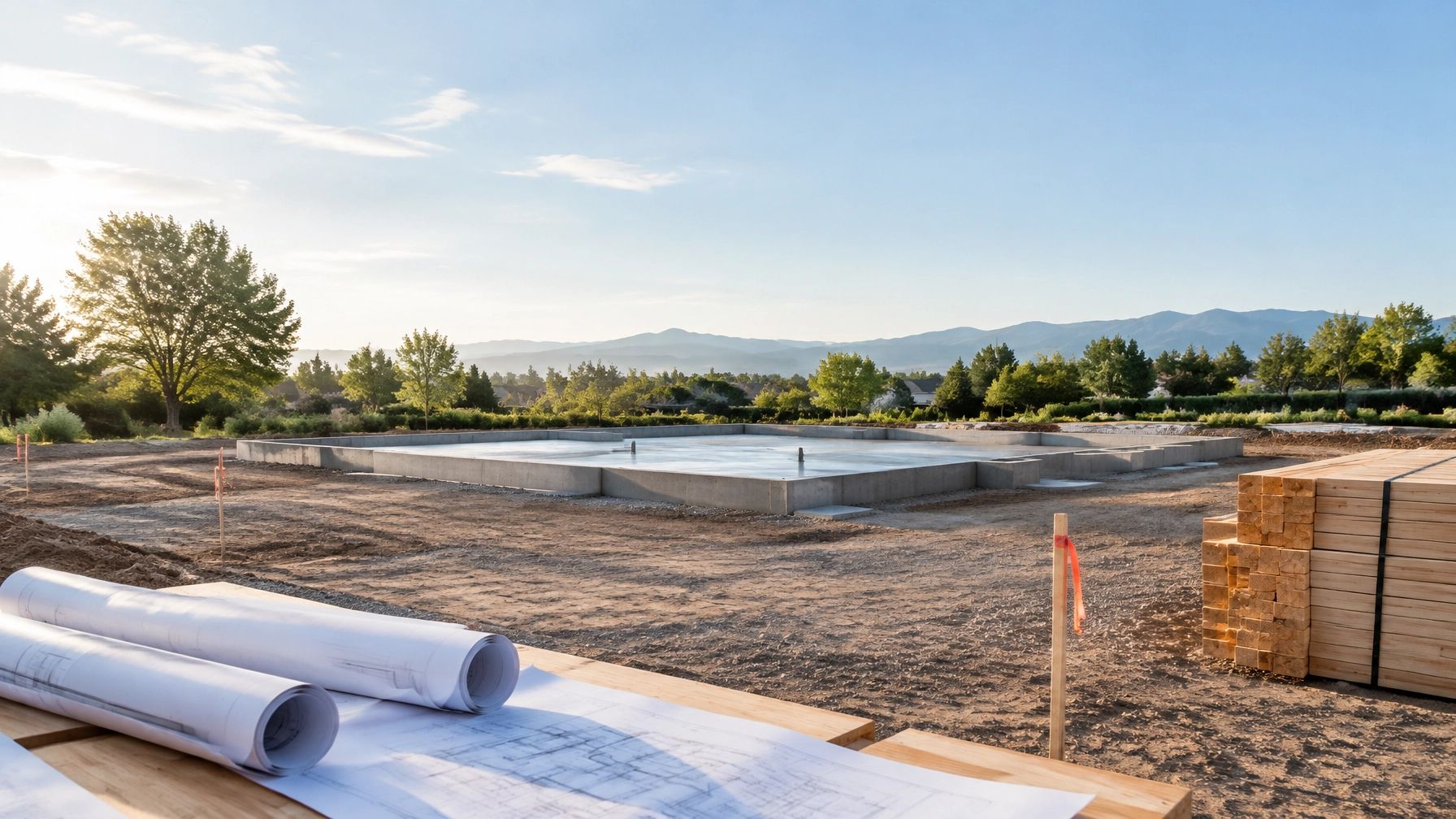

If you’re considering a ground-up build, start with the full project, not just the cost of putting up the structure. I want you to know where every dollar is going, what needs to be approved, how construction funds will be drawn, and how you plan to repay the loan. Get those pieces clear before you commit to the land or start work, and you’ll be in a stronger position to assess the deal.
Here’s my practical guide to preparing for a private construction loan. Requirements depend on the lender, loan program, property, and location, so treat this as a planning framework, not a promise of specific financing terms.
1. Build a complete project budget before you borrow
A construction budget should cover the entire project from site control through completion. If you budget only for materials and labor, you may miss costs that can affect your ability to finish.
Start by organizing your expected costs into categories:
- Land: purchase price, closing costs, existing debt payoff, and any costs to establish clear title.
- Preconstruction: architectural and engineering plans, surveys, soil reports, legal work, and other professional services.
- Permits and fees: building permits, impact or connection fees, and required local reviews.
- Site work: clearing, excavation, grading, drainage, utility connections, access, and foundation work.
- Construction: labor, materials, subcontractors, equipment, and finish selections.
- Carrying costs: insurance, taxes, utilities, security, financing costs, and other expenses while the project is underway.
- Contingency: a reserve for changes, delays, or conditions you could not fully confirm before work began.
Then compare the budget with contractor estimates and the proposed construction schedule. Make sure the numbers line up: the work planned for each stage should have a corresponding cost, and your sources of funds should account for the project’s full scope. Ask the lender which costs the program may finance and which costs you should be prepared to cover yourself.
Your next step: Create a line-item budget and ask your contractor to check it against the plans and schedule before you discuss financing.

2. Confirm permits and approvals before you rely on a timeline
Local requirements can shape both your budget and your schedule. Before borrowing, confirm what applies to your specific parcel and project with the relevant local authorities and qualified professionals.
Depending on the location and scope, you may need to investigate:
- Zoning and permitted use
- Building and site-plan approvals
- Access, drainage, and utility requirements
- Environmental, soil, or other site reviews
- Homeowners’ association or design approvals, where applicable
- Permit status and any remaining conditions
Don’t assume that a plan, preliminary conversation, or permit application means you’re cleared to build. Ask what has been approved, what is still outstanding, and whether any conditions could affect design, cost, or timing. Your lender may also require specific approvals or documents before closing or before funds can be advanced.
Construction timelines depend on the build itself, as well as local review and inspection processes. A financing timeline and a construction timeline are different things; don’t count on one to guarantee the other.
Your next step: Contact the appropriate local offices and your project professionals to make a written list of required approvals, their current status, and who is responsible for each.
3. Understand the draw process before work begins
A construction loan usually does not fund the full project budget as one unrestricted payment. Instead, funds may be advanced in stages through draws. Requests for money tied to completed work or other requirements in the loan documents.
The process can vary, but a draw may involve:
- You or your contractor submit a request with supporting invoices and details of completed work.
- The lender reviews the request and checks it against the approved budget and project status.
- An inspection or other verification may be required.
- The lender confirms any required documents before releasing approved funds.
Draws can take longer when paperwork is incomplete, work cannot be verified, costs no longer match the approved budget, or required inspections and approvals are outstanding. Before closing, ask how the draw process works for your specific program: what documentation is needed, when requests should be submitted, whether inspections are involved, and what conditions must be met before funds are released.
I also recommend keeping clean project records from day one. Maintain a current budget, invoices, change orders, contractor information, and a schedule showing completed and upcoming work. Clear records make it easier to spot a mismatch early. Before it becomes a problem at the next draw.
Your next step: Request the lender’s draw instructions in writing and review them with your contractor before the first phase of work starts.

4. Plan for change orders, delays, and unexpected costs
Even a well-prepared plan can change. Weather can interrupt work. Materials may take longer to arrive than expected. An inspection may identify work that needs attention. A site condition or design decision may lead to a change order.
That’s why contingency is part of the project plan, not extra money you can casually spend on upgrades. Before construction begins, decide how you will handle a cost increase or delay. Clarify which changes require lender review, how you’ll document them, and where additional funds could come from if the approved budget is no longer enough.
Try a simple stress test:
- What if a major phase costs more than estimated?
- What if the build takes longer than planned?
- What if a required change affects both cost and schedule?
- What if your sale or refinance is delayed?
You don’t need to predict every problem. You do need to know what choices you have if one happens. Keep a written change-order log, update your budget as commitments change, and avoid treating unapproved work as if its cost is already covered.
Your next step: Set aside a contingency in your project plan and agree with your contractor on a written process for pricing, approving, and recording changes.
5. Decide how you’ll repay the construction loan
A strong project needs a clear exit plan. In this context, an exit is the strategy you expect to use to repay the construction loan.
If you plan to sell
Estimate what the completed property may sell for and compare that with your total project costs. Include more than the land and construction: account for carrying costs, selling expenses, and any work needed to prepare the property for sale. Consider how long marketing and closing could take, and what you would do if the sale price or timing differs from your initial plan.
If you plan to keep it as a rental
Map out the transition from construction to a long-term rental loan. Consider the likely rent, operating expenses, expected lease-up period, and the condition of the property when it is ready for tenants. A refinance is not automatic: the future lender will review the property and the borrower under that lender’s program.
A DSCR refinance (a loan that evaluates a rental property’s income in relation to its debt obligations) may be an option where the property income supports qualification and the program fits the project. You can read more about DSCR loans, but confirm requirements for your specific property and refinance before relying on this exit.
The key is to plan the handoff early. Construction completion, final approvals, lease-up, and refinance or sale can each take time. Don’t assume they will all happen on the same date.
Your next step: Write down your primary exit, the milestones it depends on, and a backup plan if the first route takes longer or produces different results than expected.

6. Prepare a clear financing package
Once you’ve worked through the budget, approvals, draws, contingency, and exit, gather the information that helps a lender understand the project. A starting package may include:
- Property and land details
- Plans, permits, and approval status
- Contractor information and construction schedule
- Itemized project budget and cost estimates
- Your proposed draw schedule
- Available funds for project costs and contingency
- Your sale or rental refinance plan
The right documents and financing criteria depend on the loan program. Emerald Capital Funding offers a new construction financing option for ground-up residential investment projects. Loan amounts and terms vary by program; the team can review your project and explain what may apply. Where a program supports it, loan amounts may start at $50,000. Don’t assume that any particular amount, term, or cost applies until it has been confirmed for your specific project.
Your next step: Assemble the materials you already have, identify what is still missing, and share the project details with the lending team for a program-specific discussion.
Questions investors often ask
Q: Can I apply before every permit is issued?
A: That depends on the project and loan program. Confirm which approvals are needed at application, closing, and before construction funds are released.
Q: Will the lender fund every cost in my budget?
A: Not necessarily. Ask which costs may be financed, how funds are advanced, and what expenses you should be prepared to cover with your own resources.
Q: Are construction draws released automatically on a set date?
A: Draws are subject to the applicable loan documents and program process. Ask about required documentation, inspections, and review steps before you begin.
Q: Can I refinance into a DSCR loan after construction?
A: It may be a possible exit if the completed property, rental income, and borrower meet the requirements of an available DSCR program. Confirm that path before relying on it.
Take the next step with a project-ready plan
A ground-up build becomes easier to evaluate when you can explain the numbers, approvals, draw process, contingency, and repayment strategy in plain language. You don’t have to have every answer on day one, but you should know what to verify before you commit.
Review Emerald Capital Funding’s loan services and talk through your project with the team. Call 610-510-6119 or visit emcap-funding.com to discuss your next step.