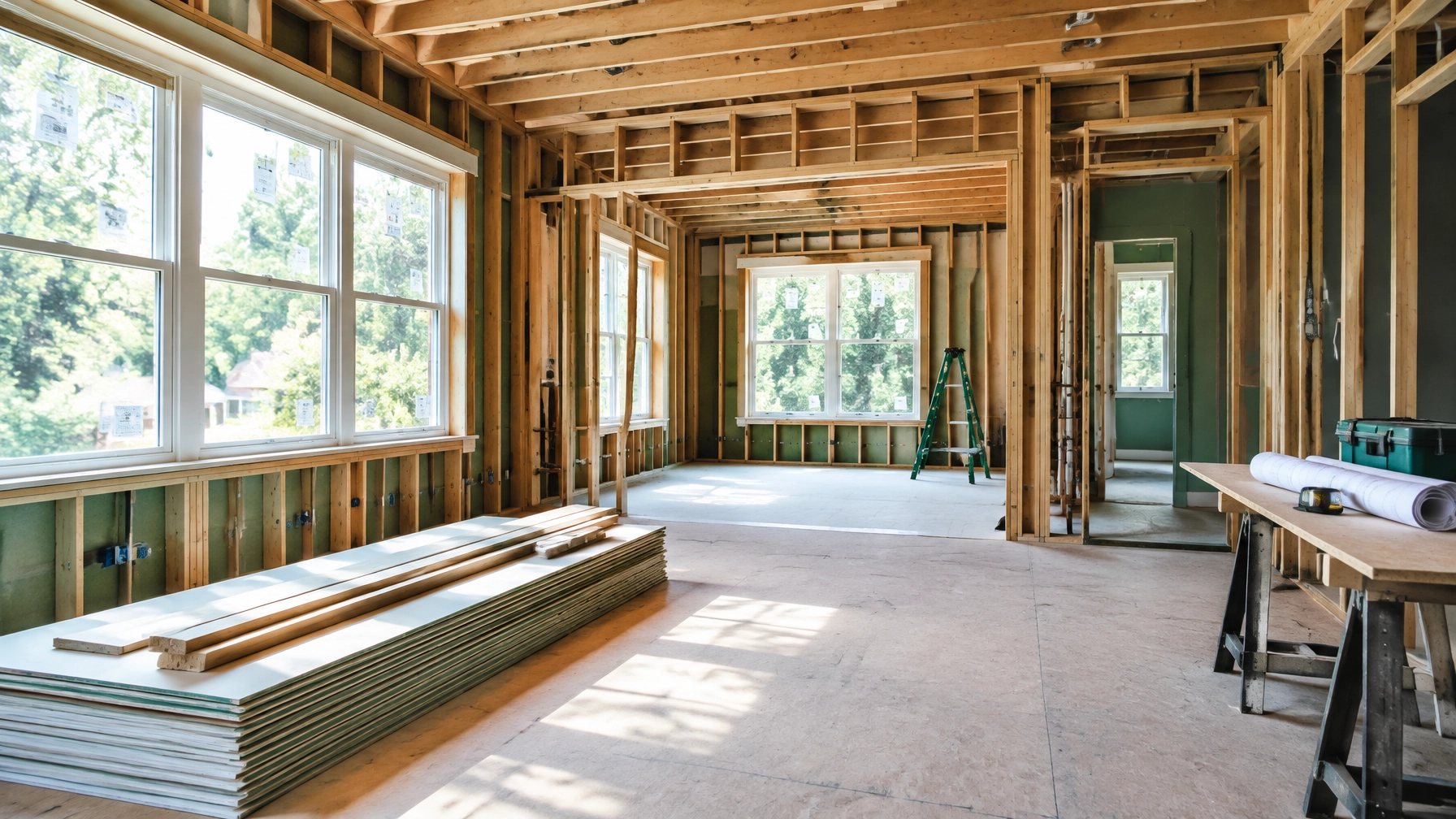

If you’re planning a fix-and-flip, it’s important to know that an approved rehab budget doesn’t always mean all the renovation funds arrive at closing. Many projects use draw-based funding: you complete an agreed portion of the work, submit a request, and the lender reviews progress before releasing funds.
I’m Billy from Philly, and my advice is simple: plan your draw schedule before you sign with a contractor. It can help you avoid a cash crunch, keep the work moving, and protect your exit. Here’s how to approach it.
1. Build the draw schedule around completed work
A draw schedule connects funding requests to verifiable project milestones. Work that is complete and can be checked against the approved scope of work. It should align with your lender’s requirements and your contractor’s schedule, but those two schedules may not be identical.
For example, a project might organize its milestones around:
- Demolition and structural work
- Mechanical rough-ins and weatherproofing
- Drywall and other interior progress
- Finish work and punch-list completion
That’s only an illustration, not a standard schedule. The right sequence depends on your property, renovation scope, lender’s process, and loan documents.
Before work begins, compare the approved scope, line-item budget, contractor agreement, and draw requirements. Make sure they describe the same work in terms you and your contractor can track. Don’t assume that ordering materials, paying a deposit, or reaching a contractor’s calendar milestone will qualify as completed work for a draw.
Your next step: Ask your lender for its current draw instructions and map each approved budget line to a clear, observable milestone.

2. Know what an inspection may check
A draw inspection helps verify progress. The exact process varies, so confirm what your lender requires rather than assuming every lender checks the same items or uses the same inspection method.
Depending on the project and the requested milestone, the review may compare:
- Work completed with the approved scope and budget
- The condition and accessibility of the property
- Whether the requested work is visible and sufficiently complete
- Relevant permits or approvals, where applicable
- Progress photos, invoices, or other documents in your draw package
Work that is hidden behind drywall or otherwise difficult to verify can create questions. Keep clear, dated photos of key stages, especially before covering framing, plumbing, electrical, or other concealed work. Keep the site organized and make sure the inspector or reviewer can access the areas tied to the request.
An inspection isn’t a substitute for your own quality checks. You still need to confirm that work meets your standards and that any required local inspections are handled.
Your next step: Before a milestone is covered up, photograph it and gather any records your lender or contractor says will support the draw request.

3. Prepare a complete draw request, and plan for the wait
A draw request is a package, not just a message asking for funds. The lender’s instructions control what to submit, but it may help to have these items organized:
- The draw form and requested amount
- A clear breakdown of completed and remaining work
- Photos that show the requested progress
- Invoices, receipts, or contractor payment details, if required
- Relevant permits or inspection records, if applicable
- An updated budget and a list of approved changes
There isn’t a universal draw-processing timeline that I can promise you. Processing depends on the lender’s procedures and whether the request is complete, the work can be verified, and any questions or missing documents are resolved. A request that doesn’t match the approved scope, includes incomplete work, or lacks required backup may take longer to sort out.
Build that uncertainty into your schedule. Before signing your contractor agreement, ask your lender how to submit a draw, what review steps to expect, and what information could hold up a request. Then discuss payment timing with your contractor. Don’t promise a payment date based on an assumed draw-release date.
Your next step: Put the lender’s submission steps and your contractor’s payment dates on one shared calendar, leaving room for review and follow-up.
4. Protect cash flow between draws
In a draw-based project, you may need to cover some costs before the related work is complete and eligible for review. That’s why the rehab budget and the project cash-flow plan should be separate documents.
Your budget answers: What work will the project cost?
Your cash-flow plan answers: When will money need to be available?
As you plan, identify:
- Deposits or early costs your contractor expects
- Which costs depend on completed work or lender approval
- The time between completing work, submitting a request, and paying the contractor
- Cash you can use if a request needs clarification or a cost comes up early
- The reserve you want to preserve for unexpected work
Get clear, in writing, on what your contractor expects you to pay and when. Also confirm with your lender whether specific costs or materials are eligible for a draw; don’t assume they are.
Your next step: Build a week-by-week cash-flow forecast and discuss any gaps with your lender and contractor before the job starts.
5. Document change orders before work changes
Renovation plans can shift when you uncover hidden damage or decide to adjust the finish. But an informal conversation with your contractor doesn’t automatically update the lender-approved scope or budget.
Before the changed work begins, document:
- What is changing and why
- The added or reduced cost
- The effect on the timeline
- The proposed funding source
- Any lender approval or updated documentation required
A change can affect future draw requests, so keep a current budget and change-order log. If the project needs more money than the approved budget provides, ask about your options before authorizing the work. Don’t assume that an overrun will be added to the loan.
Your next step: Set a rule with your contractor: no change to scope or cost without a written change order and confirmation of any required lender approval.
6. Connect the final draw to your exit plan
The last draw is part of closing out the renovation, not simply a routine payment. Your lender may require a final inspection, completion documents, or other items under the loan terms. The specific requirements vary, so ask early.
Before requesting the final draw:
- Walk the property against the approved scope and identify unfinished items
- Confirm which permits, approvals, or completion records are required
- Gather final invoices and any required payment or lien documents
- Check that the budget and change-order log are up to date
- Confirm how the final review fits with your sale or rental-refinance timeline
Your exit plan matters from day one. If you plan to sell, understand how the final work and closing schedule affect your listing plan. If you plan to keep the property as a rental and refinance, treat that as a separate financing step: completing rehab doesn’t by itself guarantee refinance approval.
Your next step: Ask your lender what it needs for final draw review, then work backward from your intended sale or rental-refinance plan.

Fix-and-flip financing terms to confirm
Emerald Capital Funding offers fix-and-flip financing for qualifying projects. Up to 90% loan-to-cost (LTC) may be available only for qualifying fix-and-flip projects, subject to underwriting and program guidelines. Loan amounts vary by program and may start at $50,000. Closings commonly run in the 14–22 day range when the file, property, and borrower meet program requirements; timing is program-dependent and never guaranteed.
Those figures don’t establish your draw schedule or guarantee a particular draw amount, processing time, or closing date. Confirm the terms and process for your specific project.
Q&A: Rehab draw schedules
Q: Does a contractor’s invoice mean the lender will release a draw?
A: Not necessarily. The lender’s requirements and the approved scope determine what supports a draw. Ask whether it needs completed work, an inspection, documents, or other verification.
Q: How long does a rehab draw take?
A: There’s no universal timing to rely on. Ask your lender for its current process and plan for possible follow-up if information is missing or work needs further review.
Q: Can I change the renovation scope after closing?
A: A project may need changes, but document them first and check whether lender approval is required. Don’t rely on a verbal agreement or assume the original budget will cover extra costs.
Q: Does the final draw mean my exit financing is approved?
A: No. A final rehab draw and a later sale or refinance are separate steps. Discuss your exit strategy early and confirm the requirements for each one.
Take your next step before the work starts
A clear draw plan helps you coordinate your lender, contractor, cash flow, and exit strategy. If you’re considering a fix-and-flip, review Emerald Capital Funding’s loan programs and services, then call 610-510-6119 or visit emcap-funding.com to discuss your project.