

If you’re considering how to unlock the capital tied up in your current assets, welcome to the world of secondary market liquidity. Whether you’re a boutique lender, a buy-here-pay-here operator, or a private investor, there comes a point where holding a stack of auto loans just doesn’t make sense for your growth strategy anymore. Maybe you’re looking to pivot into real estate, or perhaps you just need more "dry powder" to fund new originations.
At Emerald Capital Funding, we understand that liquidity is the lifeblood of any financial operation. While our bread and butter is real estate lending, we’re experts in how financial assets, like auto loan portfolios, can be leveraged or sold to fuel your next big move. This guide will equip you with the knowledge you need to navigate the sale of your portfolio and ensure you’re getting the best possible value for your paper.
1. Understand the "Why" Behind the Sale
Before we dive into the "how," let’s talk about the "why." Most lenders sell their portfolios for one of three reasons:
- Liquidity: You need cash now to reinvest in higher-yielding opportunities, like a fix and flip project.
- Risk Management: You want to reduce your exposure to a specific geographic area or credit tier.
- Operating Capital: You need to clear your warehouse lines to start the cycle over again.
Knowing your primary motivation helps you decide how aggressive you need to be on pricing and how fast you need the deal to close.
2. Market Research is Non-Negotiable
The market for auto paper fluctuates just like the housing market. In 2026, interest rates and consumer delinquency trends play a huge role in what buyers are willing to pay. You need to identify who is buying right now, is it credit unions, private equity firms, or specialized hedge funds? Understanding the current "appetite" for different credit tiers (Prime vs. Subprime) will help you set realistic expectations.
3. Scrub Your Data (And Then Scrub It Again)
When you sell a portfolio, you aren't just selling loans; you’re selling data. Buyers will perform deep due diligence. If your files are missing proof of insurance, GPS tracking data (for subprime), or clear titles, your valuation will take a hit.
- Actionable Takeaway: Create a clean, digital "data room" where all contracts, credit applications, and payment histories are organized and easily accessible.
4. Master the Art of Portfolio Valuation
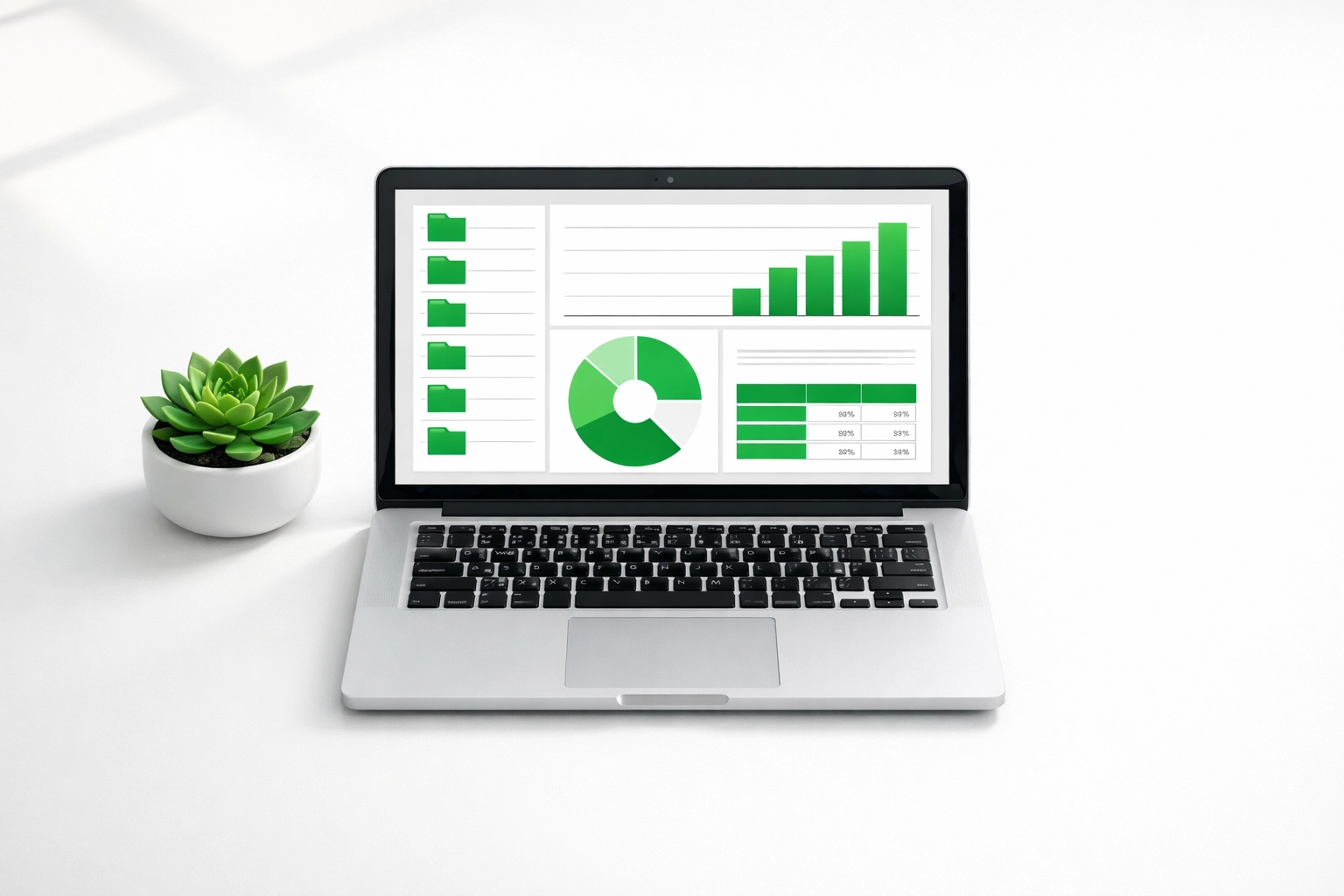
How much is your portfolio actually worth? It’s rarely just the "principal balance." Buyers look at the Weighted Average Coupon (WAC), the remaining term, and the historical loss rates. They will apply a discount rate to determine the present value of those future cash flows.
- Pro Tip: If your portfolio has a high interest rate but low delinquency, you might even sell it at "premium" (above par), though most portfolios sell at a slight discount to account for the buyer's risk and servicing costs.
5. Segment Your Portfolio for Better Pricing
Don't just throw everything into one bucket. You might get a better overall price by "tranching" your portfolio. For example, you could sell your "A-Paper" (700+ FICO) to a credit union and your "Deep Subprime" paper to a high-yield distressed debt fund. By matching the risk profile to the right buyer, you maximize your total exit value.
6. Negotiate Recourse vs. Non-Recourse
This is a big one.
- Recourse: If the borrower stops paying shortly after the sale, you have to buy the loan back or replace it.
- Non-Recourse: Once the deal is done, the risk is entirely the buyer’s.
Obviously, non-recourse deals are better for you, but they often come with a lower purchase price. We’ve got you covered if you’re unsure which way to lean, just remember that protecting your long-term liquidity usually means aiming for as little recourse as possible.

7. Don't Ignore Regulatory Compliance
The CFPB and state regulators don't stop watching just because you sold the debt. You must ensure that your origination process followed all Truth in Lending Act (TILA) and Fair Debt Collection Practices Act (FDCPA) guidelines. A buyer will run "compliance samples," and if they find "predatory" patterns, the deal will die on the vine.
8. Auction vs. Direct Sale: Choose Your Path
You have two main ways to go to market:
- Direct Sale: You find a buyer, negotiate one-on-one, and close. This is often faster and more discreet.
- Auction/Marketplace: You list your portfolio on a digital exchange where multiple buyers bid. This can drive the price up, but it can also be more time-consuming and public.
9. The Timeline: It’s a Marathon, Not a Sprint
Don't expect to have cash in your bank account tomorrow. A typical auto loan portfolio sale takes anywhere from 30 to 90 days.
- Phase 1: Initial review and NDA (1 week)
- Phase 2: Due diligence and "tape" review (2-4 weeks)
- Phase 3: Contract negotiation and legal (2 weeks)
- Phase 4: Funding and transfer (1 week)

10. Have a Reinvestment Plan Ready
The worst thing you can do is get a massive influx of liquidity and let it sit in a low-interest savings account. Most of our successful clients use the proceeds from a portfolio sale to diversify. For instance, moving that capital into DSCR loans allows you to build a portfolio of income-producing real estate that is often more stable than auto debt.
How Emerald Capital Funding Can Help
While we specialize in real estate, we are experts in liquidity solutions. Many of our clients come to us because they have capital "trapped" in other investments. We can help you look at your overall financial picture and determine if selling your auto paper is the right move to fund your next multifamily commercial acquisition or a high-leverage fix-and-flip.
Success is within your reach when you treat your loan portfolio as a fluid asset rather than a static one. By following these steps, you’ll be well on your way to a cleaner balance sheet and more investment power.

Q&A: Common Questions About Selling Auto Portfolios
Q: Will my customers know I sold their loan?
A: Yes. Legally, you (or the buyer) must send a "Hello/Goodbye" letter notifying the borrower of the change in servicing and where to send their future payments.
Q: Can I sell a portfolio if some loans are in default?
A: Absolutely. There is a robust market for "Non-Performing Loans" (NPLs). However, expect to sell these at a significant discount: sometimes as low as 5 to 20 cents on the dollar, depending on the age of the debt.
Q: Do I need to keep servicing the loans after the sale?
A: You can choose to sell "servicing released" (the buyer takes over everything) or "servicing retained" (you keep collecting the payments and take a small fee). Most small-to-mid-sized sellers prefer "servicing released" to completely exit the risk.
Q: How does this help me with real estate investing?
A: Selling an auto portfolio provides a lump sum of cash that can be used as a down payment for property. For example, if you have $500k in auto paper, selling it can give you the 10% or 20% down payment needed for a 90% LTC fix-and-flip loan, allowing you to control a much larger asset.
Ready to Turn Your Paper into Property?
If you're looking for liquidity and want to see how that capital can work harder for you in the real estate market, let’s talk. At Emerald Capital Funding, we’re more than just lenders; we’re your partners in growth.